


Sweet Dance
3.84.46K Reviews
App Specs
- Version
- 23.3
- Updated On
- License
- Free
- Downloads
- 1,000,000+
- Developer
- AU Dance Studio
- Categories
- Music
- Platform
- Android
Screenshots




 Analysis by AppCompare
Sweet Dance is the kind of mobile game I open when I want music to be the main event rather than background decoration. It is a free rhythm game from AU Dance Studio, built around timing, movement, and a fashionable social presentation. After spending time with it, I found its strongest quality is not simply that it plays songs: it turns listening into a repeated timing exercise where every tap, hold, and mistake makes me pay closer attention.
That focus makes it easy to understand but not automatically easy to master. I can begin casually, follow the beat, and enjoy the colorful presentation without treating it like a serious competition. At the same time, the game gives experienced rhythm players a reason to keep practicing because small timing errors become obvious once the charts become more demanding. The real appeal is the connection between the music and the player’s hands, not the surrounding decoration.
Why the rhythm-focused design matters
Many music games use songs as a setting for another activity. Sweet Dance puts the timing challenge in front of me. I am watching the play area, listening for the rhythm, and trying to respond at the right moment instead of merely waiting for a reward after a song ends. That difference sounds small, but it changes how I use the game: a short session can feel active even when I am sitting on a bus, taking a break, or winding down at home.
The game belongs to the music category, yet I would not describe it as a simple music player with a score attached. It is a game first. The satisfaction comes from improving my response to a chart and seeing a messy attempt become more consistent. That makes it a better fit for someone who enjoys repetition with a purpose than for someone who only wants to discover new songs.
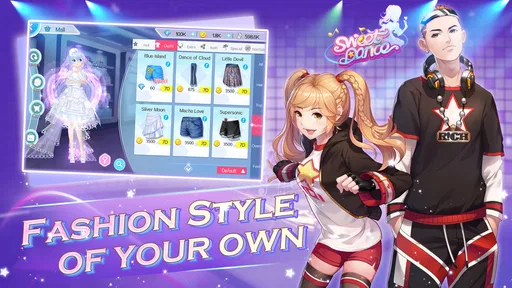
Its fashionable presentation also affects the experience. The visual style gives the game a social, performance-oriented personality rather than the stripped-back appearance of a purely technical rhythm trainer. I found that useful during relaxed play because it makes short sessions feel more like an event. The trade-off is that players who prefer clean interfaces and minimal distractions may need time to adjust.
Sweet Dance has a mature seventeen-and-over content rating, so I would not treat it as a children’s music game. That matters for families deciding what to install, especially when a game combines social presentation, optional purchases, and a competitive rhythm loop. I would check the device owner’s comfort level before handing it to a younger player, even if the basic idea looks harmless.
Timing is more important than collecting rewards
What kept me interested was the feeling that progress comes from paying attention. If I rush through a chart, the results show it. If I listen carefully and learn where the rhythm changes, I can usually improve without needing a completely different strategy. This is a useful distinction from games where progress depends mostly on waiting, upgrading, or collecting.
Worth Reading Before You Choose

EA SPORTS FC Mobile 26 Is a Bigger Football Game, but It Takes Time

Flipboard Shows What News Apps Must Do Beyond the Feed

Switching to Android Auto Means Rethinking Your Driving Routine

Google Calendar Makes a Crowded Week Easier to Manage

Ludo King Makes the Most of the Minutes Between Plans

Baby Panda World Brings Quick Play to Modern Phones, but Its Game Library Feels Busy
That does not mean every session is equally satisfying. Rhythm games are sensitive to concentration. A noisy room, tired hands, or an unfamiliar song can make a good player look inconsistent. I would not judge the game after one distracted attempt. Its better moments arrive when I play the same material again with a clear goal, such as reducing missed notes or maintaining a steadier sequence.
For that reason, I recommend treating each round as practice rather than as a final verdict on skill. A failed attempt is informative if I notice whether I was early, late, or simply looking at the wrong part of the screen. The game becomes much more rewarding when I use that information instead of immediately jumping away from the chart.
How a normal session feels in practice
I usually approach Sweet Dance in three stages. First, I choose a short session because the game works well as a focused break. Then I play with my attention on the beat rather than on the surrounding presentation. Finally, I decide whether I want another attempt based on what went wrong. That last step is important: the game encourages repetition, but repetition only feels worthwhile when I have a specific adjustment to make.
New players should begin by finding a comfortable rhythm instead of chasing a perfect result immediately. I found that trying to react to every visual cue without listening can create frantic tapping. The better approach is to use the visuals as confirmation and let the music establish the pace. This is one of the most useful habits to develop, because it remains valuable when charts become faster or less familiar.
Touch controls also deserve attention. I prefer holding the phone securely and keeping my fingers relaxed, since tense hands make quick reactions less reliable. A large case or awkward grip can make a session more tiring than expected. If I am playing for more than a few rounds, I take a short pause rather than forcing another attempt while my timing is deteriorating.
The game is free to download, which makes trying it straightforward. It includes optional in-app purchases ranging from $0.99 to $99.99 per item, so I would decide in advance whether I am comfortable spending money inside a rhythm game. My advice is to play the core experience first and only consider purchases after understanding what actually improves enjoyment for me. A purchase cannot replace learning the timing, and that is where the lasting satisfaction comes from.
A practical method for improving without grinding blindly
One technique I found helpful is to change only one variable per attempt. If I alter my grip, volume, playing position, and difficulty at the same time, I cannot tell what helped. Instead, I keep the setup stable and focus on one issue, such as watching the note path earlier or relaxing my tapping hand. This turns repeated attempts into useful practice rather than a string of nearly identical failures.
I also avoid judging a song solely by its final score. A lower score with fewer panicked taps can be a better result if it shows that my timing is becoming controlled. This is especially relevant for beginners, who may improve their consistency before the visible score catches up. The game rewards patience more than dramatic bursts of effort.
Another practical tip is to use shorter sessions when concentration is poor. I get more from three attentive attempts than from a long run of automatic tapping. That makes Sweet Dance surprisingly suitable for small gaps in the day, but it also means I would not choose it when I want a completely passive way to relax.
The best everyday scenario for Sweet Dance
My favorite use case is a ten-minute break after finishing a task. I can play one or two songs, focus on the rhythm, and stop before the session becomes tiring. It gives the break a clear beginning and end, unlike an endless social feed that can absorb far more time than intended. The game works particularly well when I want something active but do not have the space or equipment for a physical activity.
It can also suit a friend who likes music but has never considered rhythm games. The basic idea is easy to explain: follow the music, respond to the prompts, and try to become more accurate. I would start with a relaxed session and avoid turning the first attempt into a competition. The visual style makes the introduction approachable, while the timing challenge provides enough depth for someone who enjoys improving.
For commuting or waiting rooms, I would be more cautious. A rhythm game asks for attention, and crowded surroundings can interfere with both concentration and touch accuracy. I would use it when I have a stable seat and a few uninterrupted minutes, not while walking or trying to monitor a busy environment. That may sound obvious, but it is an important difference from slower games that can be paused after every action.
Sweet Dance can also work as a shared challenge among friends who enjoy comparing performance. I would keep the mood light, because the game is more enjoyable when a missed sequence becomes something to learn from rather than a reason to quit. Players who thrive on direct competition may want a more specialized competitive rhythm title, while casual groups may appreciate the easier entry point here.
Where it differs from ordinary music games
Compared with a passive music app, Sweet Dance asks me to participate constantly. I cannot simply start a playlist and let it run; the point is to respond. Compared with a traditional arcade game, the music is not just an atmosphere layered over unrelated actions. The soundtrack and the input are connected, so my attention is split between hearing and seeing in a way that feels distinctive.
Dedicated rhythm games may offer a cleaner, more technical experience for players who care primarily about precision. I would choose one of those alternatives if I wanted a minimal interface, highly focused practice, or a game built around competitive score chasing. Sweet Dance is the better choice when I want rhythm gameplay wrapped in a more fashionable and socially flavored package.
That comparison also explains its limitation. The presentation can make the experience feel lively, but it may not satisfy someone who wants every screen to serve the timing challenge. I occasionally preferred to concentrate on the chart without being pulled toward the surrounding style. Whether that is a problem depends on what attracted me in the first place.
Trade-offs that become clear after regular play
The biggest trade-off is accessibility versus depth. The basic rhythm concept is approachable, but improvement demands attention and repetition. A player looking for instant mastery may become frustrated, while someone who enjoys gradually refining timing will see the same difficulty as the main reason to return.
The free entry is another advantage with a condition attached. I can install the game without paying, but the presence of purchases means I would keep spending under control. This is especially important for younger or impulsive players. I would use device-level purchase protections where appropriate and avoid assuming that a free download means the entire experience is cost-free.
The mature rating is also part of the decision, not a footnote. Parents should not select it as a general-purpose family rhythm game without first considering that rating. Adults who want a light music challenge may find the rating less relevant to their own use, but it still signals that the game’s presentation and social atmosphere are not aimed at children.
Device compatibility is reasonably broad for an older Android setup: the game requires Android 7.0 or later. That makes it more approachable for people who do not own a recent phone, although rhythm games can still feel better on a responsive device with a comfortable screen. If touch input feels delayed or cramped, I would not immediately blame my timing; the hardware and playing position can affect the experience.
The current version is 23.3, and the game has been available since December 8, 2019. Those details suggest an established title rather than a brand-new experiment. In practical terms, I would approach it as a game with a developed identity and a history of ongoing use, while still judging it by how well its current presentation suits my preferences.
Who should skip it
I would skip Sweet Dance if I dislike repeating songs to improve small timing details. The central loop depends on that willingness. I would also look elsewhere if I want a calm background activity, a purely educational music tool, or a game with no optional spending at all.
It is not my first recommendation for someone who wants a highly technical rhythm simulator with an uncluttered interface. The fashionable presentation is part of its identity, but it can feel like extra visual weight to a player who only wants precise note practice. Likewise, anyone seeking a child-friendly title should pay attention to the mature rating rather than relying on the cheerful musical theme.
Players with hand fatigue or limited comfort using a phone should test short sessions first. The game’s timing focus can make tension noticeable, particularly when I try to compensate for mistakes by tapping harder or faster. A relaxed grip and brief breaks help, but they do not change whether the basic control style feels comfortable.
Who gets the most from it
The best audience is someone who wants a free-to-start mobile rhythm game with a strong visual personality and enough challenge to reward practice. I would recommend it to a friend who listens to music actively, enjoys fashionable game worlds, and likes the satisfaction of turning an imperfect attempt into a cleaner one.
It is also a good fit for players who want flexible sessions. I do not need a large block of free time to enjoy it; a few focused rounds can be enough. That makes it easier to keep in a daily routine than a game that requires a long story chapter or a complex setup. The key is to play with intention rather than letting the session become automatic tapping.
Its audience is substantial, with over one million installs, an average rating of 3.8 from around fourteen thousand ratings, and roughly four and a half thousand written reviews. I read those figures as a sign of broad interest rather than proof that everyone will love it. The rating feels consistent with my experience: the core idea is enjoyable, but the presentation, spending choices, and rhythm demands will divide players.
In my view, Sweet Dance succeeds when I treat it as a musical skill game with style, not as a passive entertainment app. AU Dance Studio has created something approachable enough for a first attempt while leaving room for players who enjoy careful repetition. I would install it for short, active breaks, recommend it to adults who like rhythm challenges, and avoid presenting it as a universal family game because of its age rating and optional purchases.
My final recommendation is positive but specific. Try it if the idea of listening closely, reacting quickly, and improving through repeated songs sounds satisfying. Start without spending, find a comfortable playing position, and judge the game after several focused attempts rather than one distracted round. If you want a cleaner competitive tool, another rhythm game may suit you better; if you want music to become something you actively play, this is where Sweet Dance earns its place.
Pros
- Large catalog of songs
- dances
- and regularly added themed content.
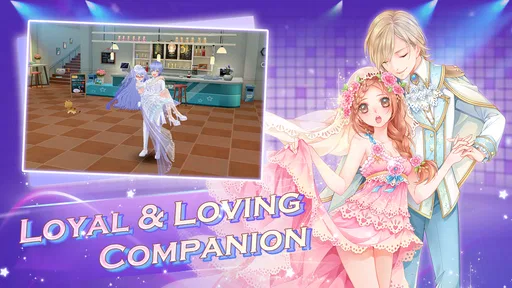
- Social features make it easy to meet players and form in-game friendships.
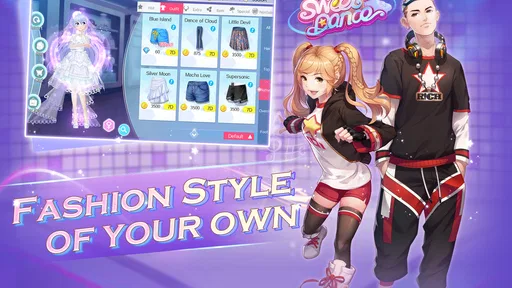
- Avatar customization offers many outfits
- hairstyles
- and accessory combinations.
- Rhythm-based controls are simple to learn for casual players.
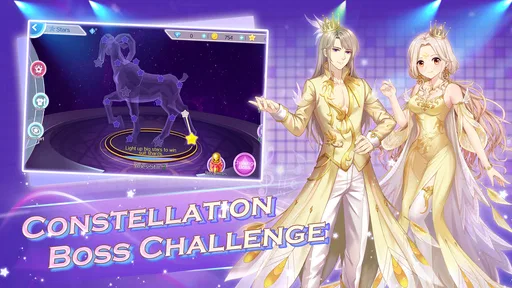
- Frequent events provide extra rewards and reasons to return.
Cons
- Progress can feel slow without spending premium currency or real money.
- The game requires a stable connection for most features and multiplayer activities.
- Some outfits and customization items are locked behind paid systems.
- Chat and social interactions may require parental supervision for younger players.
- Large updates and visual effects can consume considerable storage and battery.
FAQs for Sweet Dance
What is Sweet Dance, and what can I do in the game?
Sweet Dance is a colorful mobile rhythm and social game where you follow music tracks, tap or swipe in time with the beat, and compete for higher scores. Beyond dancing, you can customize your character, collect fashionable outfits, interact with other players, participate in events, and explore social features. It is designed for players who enjoy music, avatar customization, and online community activities.
Is Sweet Dance free to download and play?
Sweet Dance can generally be downloaded for free on supported Android and iOS devices, but it includes optional in-app purchases. These purchases may provide virtual currency, costumes, accessories, event items, or other customization benefits. You can make progress without spending money, although some limited-time content and premium features may require payment. Parents should review purchase settings before allowing children to play.
Does Sweet Dance require an internet connection?
Yes, Sweet Dance is primarily an online game and normally requires a stable internet connection. An online connection is needed for account access, multiplayer interactions, rankings, events, messaging, and synchronization of your progress. Because many features depend on remote servers, the game may be difficult or impossible to use during outages or with weak mobile data. Wi-Fi is recommended for longer sessions.
Can I play Sweet Dance with friends or other players?
Sweet Dance includes several social and multiplayer features that allow you to meet other players, communicate, join activities, and take part in dance-related competitions or events. Depending on the current version and region, you may be able to add friends, form groups, visit social spaces, or participate in team content. Since interaction involves strangers, younger players should use privacy controls and parental supervision.
What devices and permissions does Sweet Dance need?
Sweet Dance is made for compatible Android and iOS smartphones and tablets, but the exact operating-system requirements can change with updates. A device with sufficient free storage, memory, and graphics performance will provide a smoother experience, especially during online events. The game may request permissions related to storage, notifications, or account services. Check the official store listing before downloading and review every permission carefully.


